

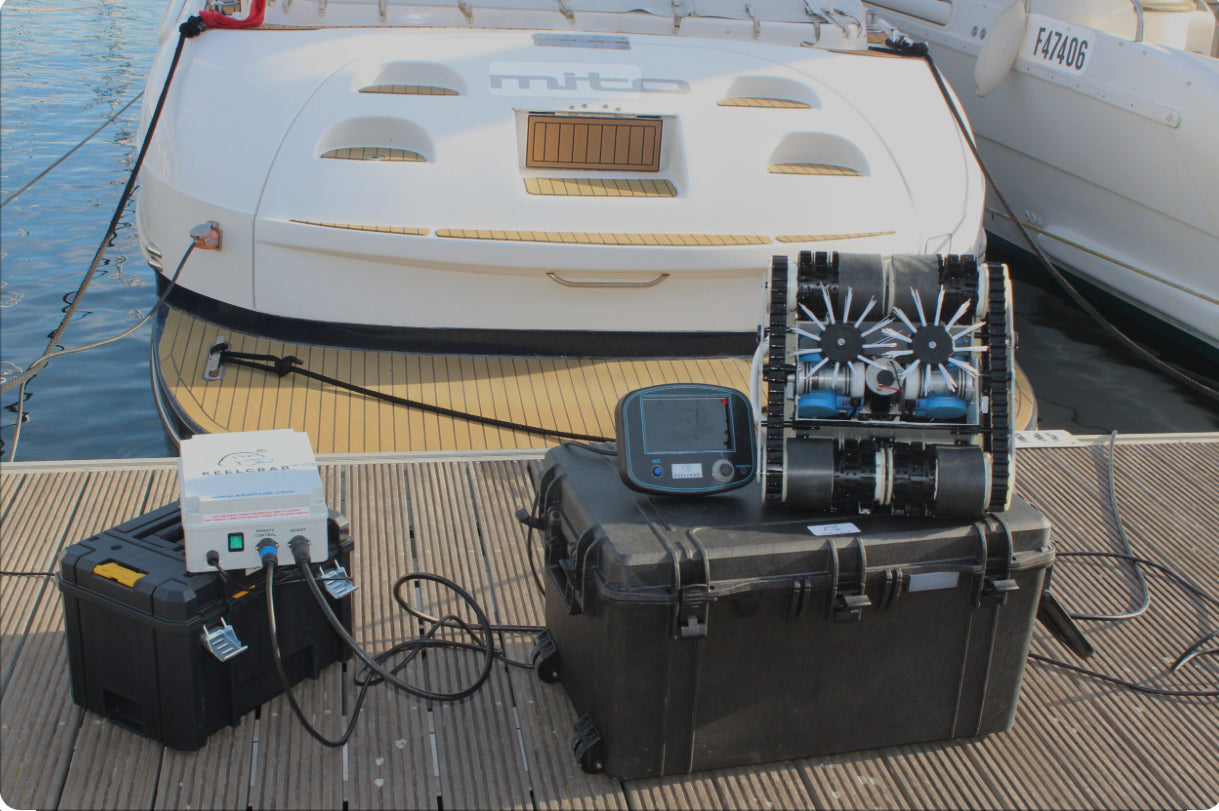
The underwater hull cleaning industry is undergoing a rapid transformation, driven by environmental pressures, soaring fuel costs, and technological breakthroughs. Traditionally, hull cleaning relied on diver-based methods or harsh chemical antifouling paints, which often harmed marine ecosystems, spread invasive species, and required dry-docking that kept vessels out of service for days or weeks. Today, in 2026, the sector is shifting toward sustainable, efficient, and automated solutions—especially robotic systems that clean hulls in-water, without toxic releases or major downtime.
The global underwater hull cleaning service market is expanding steadily, with estimates showing growth from around USD 1.88 billion in 2024 to projections of USD 3.41 billion by 2032 at a CAGR of about 7.7%. Related segments, like ROV (remotely operated vehicle) hull cleaning services, are forecasted to double from USD 1.27 billion in 2025 to USD 2.45 billion by 2032. Hull cleaning robot markets are exploding even faster, with some reports indicating explosive CAGRs of 29-42% through the 2030s, pushing values from tens of millions to billions as adoption accelerates.
This boom stems from key drivers:
• Stricter environmental regulations from bodies like the IMO, pushing for reduced biofouling discharge and limits on copper-based coatings.
• Fuel efficiency demands—a clean hull can cut fuel consumption by 5-10% or more, translating to massive savings amid volatile energy prices.
• Rise in global maritime trade, increasing vessel traffic and biofouling exposure in warm waters.
At the forefront of this evolution is innovative technology like that pioneered by companies such as Evolve Robotic Hull Cleaning. Their advanced robotic systems deliver eco-friendly, in-water hull cleaning that removes marine growth effectively while protecting hull coatings and minimizing environmental impact. By using precision robotics, these solutions achieve superior results compared to manual methods—faster cleaning, no diver risk, and captured waste to prevent invasive species spread. As one forward-looking vision from the industry highlights, the goal is to eradicate reliance on traditional anti-fouling paints entirely by 2030, replacing them with regular robotic maintenance and emerging tech like micro-drones or ultrasonic solutions.
The pace of change is breathtaking. Just a few years ago, robotic hull cleaners were niche prototypes. Now, AI integration, autonomous navigation, computer vision for detecting fouling, real-time monitoring, and hybrid systems (combining crawling and flying capabilities) are standard in leading models. Companies are launching next-gen robots that clean 10 times faster than divers, incorporate cavitation jets or brushes for non-destructive results, and pair with unmanned surface vessels for fully autonomous operations. Trends include lighter, more portable designs, predictive maintenance via data analytics, and “Robotics as a Service” models that make adoption easier for fleet operators.
Looking ahead to the next few years (2026-2030+), expect even more dramatic shifts:
• Full autonomy will become mainstream, with swarms of robots handling large vessels efficiently.
• Integration of digital twins and AI for predictive fouling management.
• Broader adoption across commercial shipping, yachts, and even defense fleets.
A particularly exciting frontier is incorporation into new boat manufacturing and shipbuilding. As shipyards prioritize sustainability and long-term efficiency to meet regulations and owner demands, robotic hull cleaning is moving from aftermarket service to built-in design consideration. Hulls are being engineered with smoother surfaces or sensor-compatible features for easier robotic access. Partnerships between robotics firms and shipbuilders are emerging—examples include integrations for proactive maintenance systems and onboard robotic deployment. Major players like COSCO Shipping have unveiled on-board intelligent cleaning robots, while collaborations (e.g., Greensea IQ with Ocean Power Technologies) point to autonomous systems deployable directly from vessels. In the near term, expect new builds to increasingly include provisions for permanent or semi-permanent robotic hull maintenance—potentially reducing or eliminating traditional antifouling needs altogether. This could become standard in eco-focused designs within 5-10 years, slashing lifecycle costs and emissions from day one.
The underwater hull cleaning industry isn’t just evolving—it’s revolutionizing maritime operations. With pioneers like Evolve Robotic Hull Cleaning leading the charge toward cleaner, greener seas, the future promises hulls that stay fouling-free through smart, sustainable tech rather than chemicals. The wave of innovation is here, and it’s accelerating fast—making now the perfect time for vessel owners to embrace robotic solutions for a more efficient, environmentally responsible future.
Share:
Evolve Robotic Hull Cleaning Newsletter
Major Industry is Taking Notice